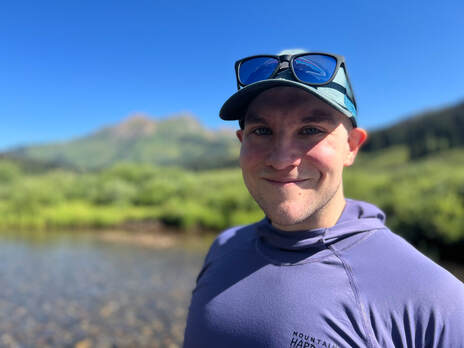
Hello! I am a broadly trained ecosystem ecologist with interests spanning aquatic, forest, and fire ecology. My research examines how climate change reshapes biological communities, ecosystem processes, and the services they provide.
Currently, I focus on the drivers of extreme wildfire events, the factors that control burn severity, and the effectiveness of forest fuel reduction treatments and vegetation type conversion in slowing or stopping fire progression.
After a decade of fieldwork and graduate studies at the Rocky Mountain Biological Laboratory, I transitioned into a Postdoctoral Scholar and now serve as a Research Scientist at Western Colorado University. Here, I have expanded my expertise to include continental-scale geospatial analyses, remote sensing, and machine learning, complementing my foundation in field observation, experimental manipulation, and biostatistics. I am especially energized by the insights made possible through long-term datasets (30+ years), which have been central to understanding ecological impacts of climate change throughout my career.
Though my primary role at Western is conducting collaborative research, I also mentor graduate students in the MS Ecology and MS Environmental Management programs, sharing my expertise in ecology and data-intensive, interdisciplinary approaches. I also teach graduate and undergraduate courses through the Clark Family School of Environment and Sustainability, as well as the Department of Behavioral and Social Sciences, which houses Western’s undergraduate GIS program.
Visit my Google Scholar for the most up-to-date list of my publications, with recent work featured on my Curriculum Vitae webpage.
Currently, I focus on the drivers of extreme wildfire events, the factors that control burn severity, and the effectiveness of forest fuel reduction treatments and vegetation type conversion in slowing or stopping fire progression.
After a decade of fieldwork and graduate studies at the Rocky Mountain Biological Laboratory, I transitioned into a Postdoctoral Scholar and now serve as a Research Scientist at Western Colorado University. Here, I have expanded my expertise to include continental-scale geospatial analyses, remote sensing, and machine learning, complementing my foundation in field observation, experimental manipulation, and biostatistics. I am especially energized by the insights made possible through long-term datasets (30+ years), which have been central to understanding ecological impacts of climate change throughout my career.
Though my primary role at Western is conducting collaborative research, I also mentor graduate students in the MS Ecology and MS Environmental Management programs, sharing my expertise in ecology and data-intensive, interdisciplinary approaches. I also teach graduate and undergraduate courses through the Clark Family School of Environment and Sustainability, as well as the Department of Behavioral and Social Sciences, which houses Western’s undergraduate GIS program.
Visit my Google Scholar for the most up-to-date list of my publications, with recent work featured on my Curriculum Vitae webpage.
Click the pictures below to learn more about my work!
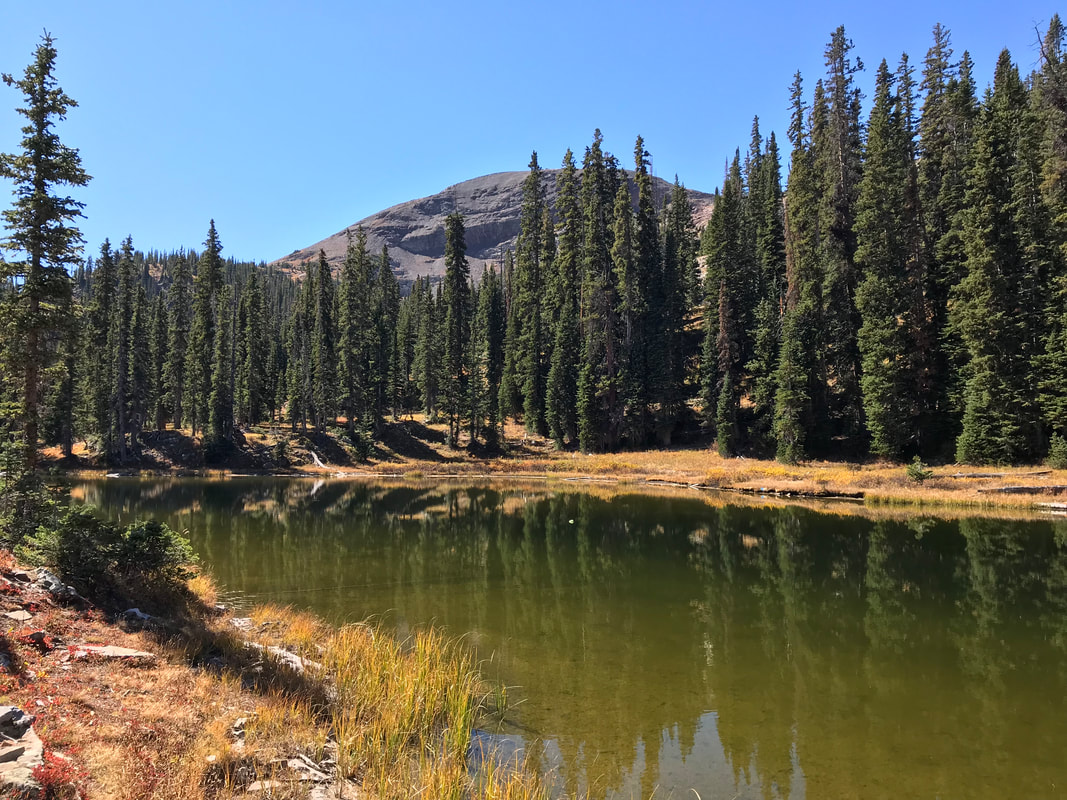
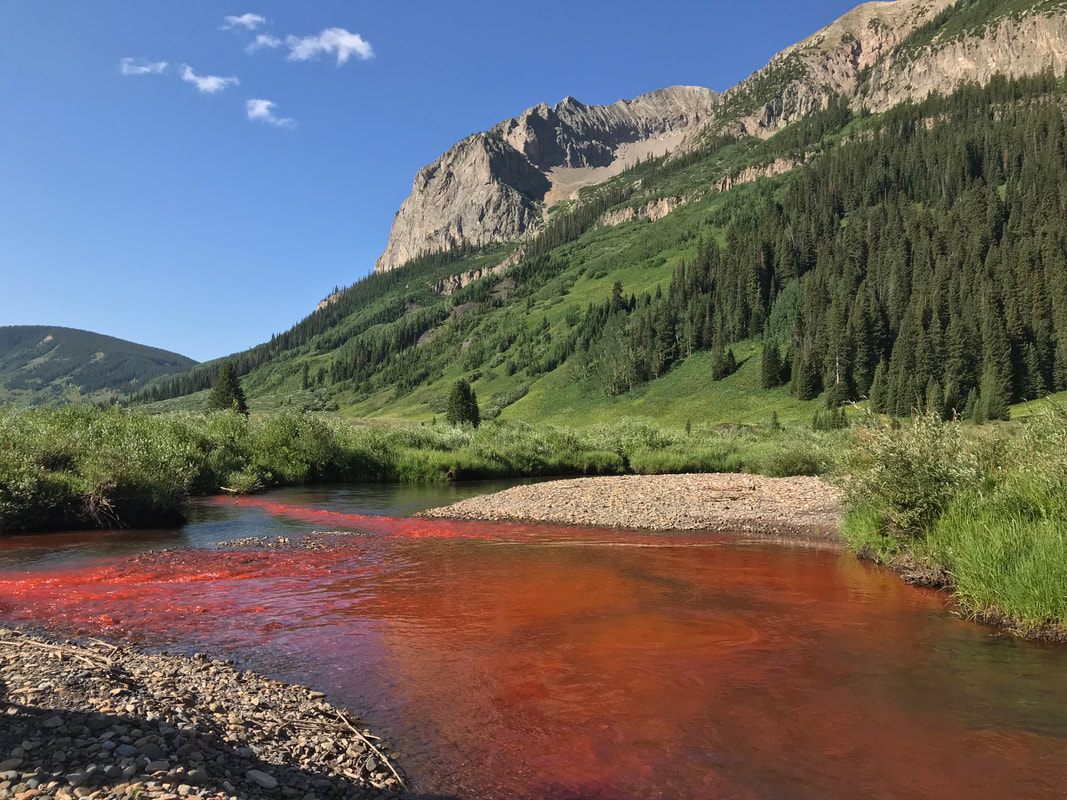
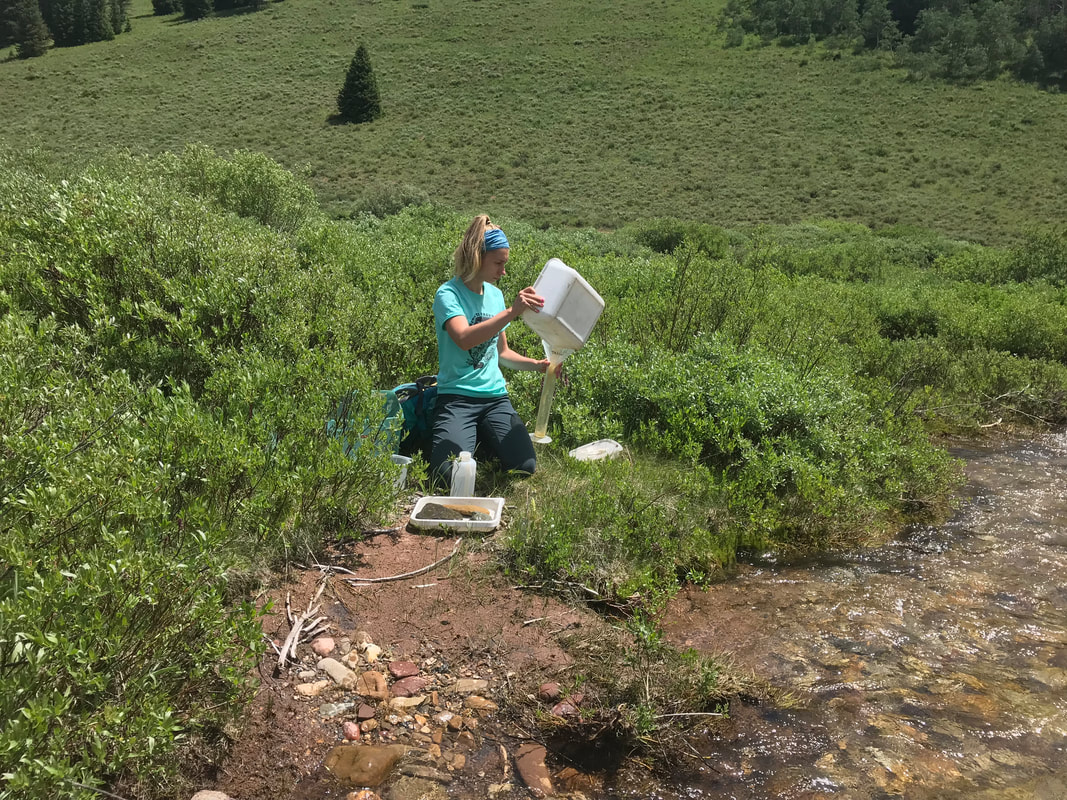
Aquatic Ecosystem Ecology and BiogeochemistryIn subalpine wetlands and headwater streams near the Rocky Mountain Biological Laboratory, I studied how climate-driven changes—including species range shifts and altered snowmelt timing and hydrology—affect ecosystem processes. This work examined how both biological and abiotic factors influence nutrient cycling, detritus processing, and seasonal patterns of primary production and nutrient demand. |
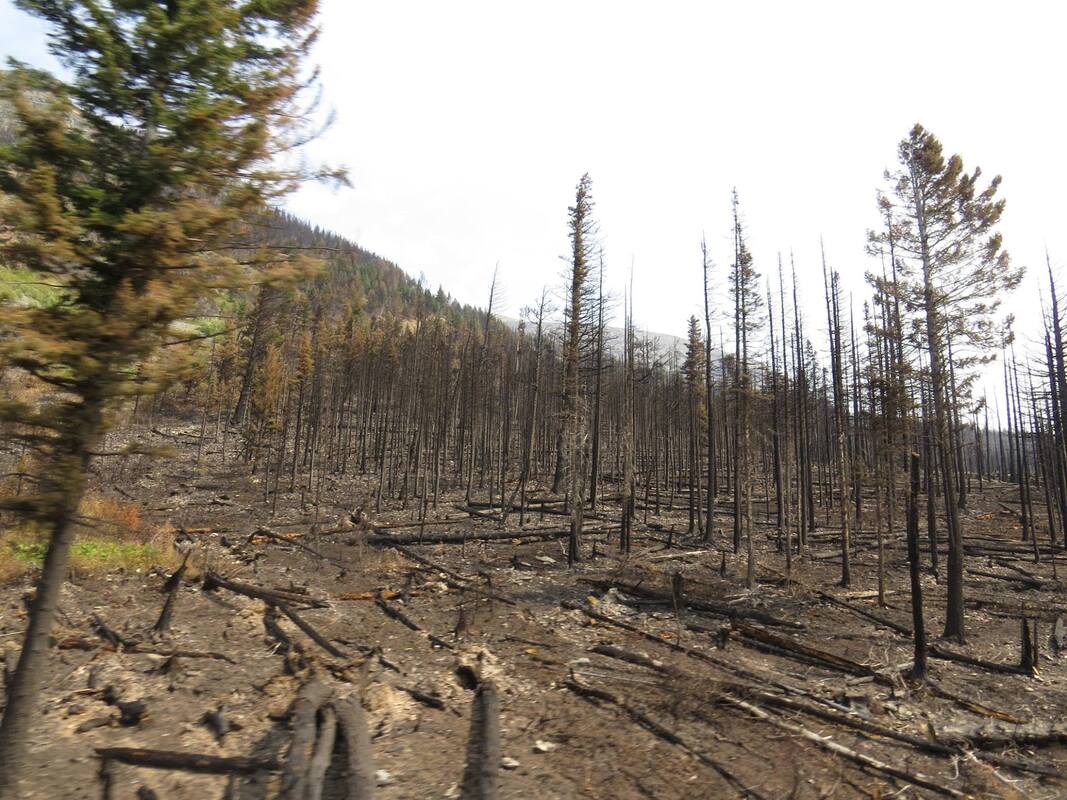
Forest and Wildfire EcologyIn collaboration with scientists from the U.S. and Canadian Forest Services and academia, I lead research to understand the conditions that drive extreme single-day wildfire spread events across North America. I also investigate how daily weather and landscape factors influence burn severity, as well as the circumstances under which forest fuel reduction treatments and "green firebreaks" are most effective at slowing or stopping fire progression. |
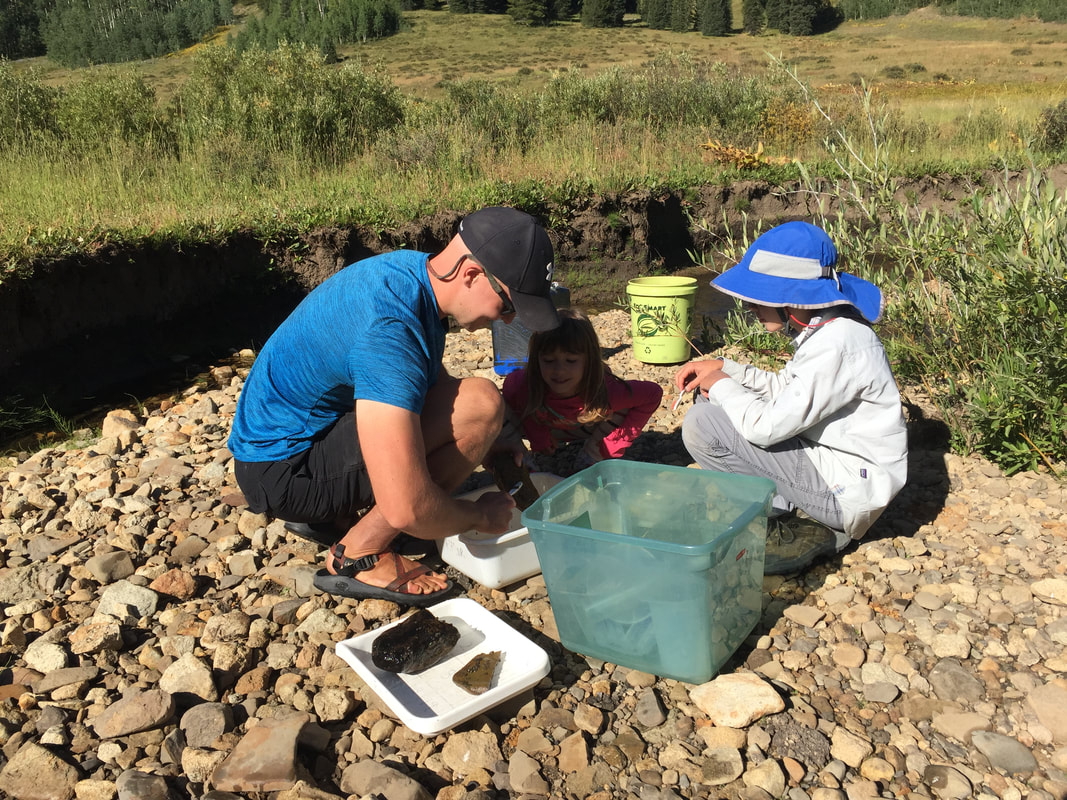
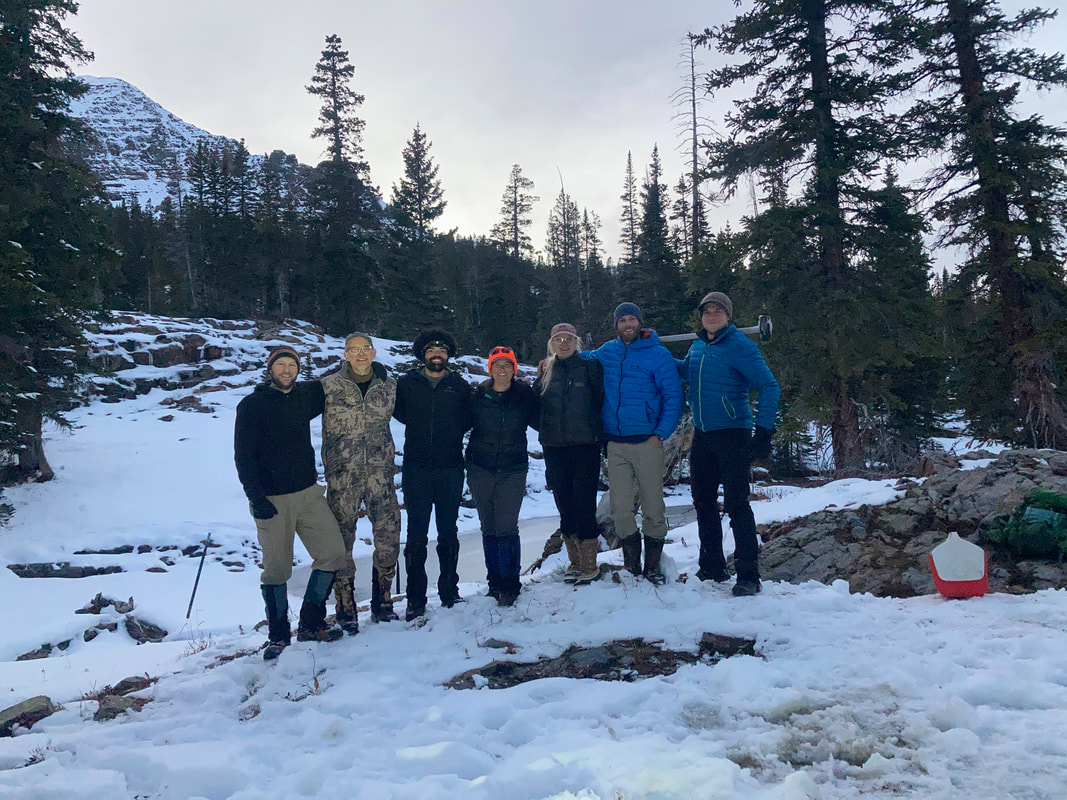
Training the Next GenerationThrough teaching, mentoring undergraduate research projects, and serving on graduate committees, I help train the next generation of researchers, land managers, and citizens. |
Header Image Credit Watershed Function SFA